A stylish kitchen does not need a full renovation. The best decorating decisions improve how the room works first, then use color, texture, lighting, and display to make it feel personal. This guide helps you choose upgrades by budget, permanence, and practical payoff.
Start with function before finishes
List the kitchen problems you notice every day: poor task lighting, crowded counters, awkward storage, dated hardware, or an empty wall. Rank them by frequency. A decorative change that solves a daily frustration is a better first investment than a trend that simply fills space.
25 kitchen decorating ideas with a practical purpose
1. Paint the walls a warm neutral
Warm white, putty, pale sage, and soft blue can refresh the room without competing with cabinetry. Test a sample beside the counters and in both daylight and evening light.
2. Add a focused backsplash
Use tile, beadboard, or a removable panel behind the sink or range. Choose a material suited to heat and moisture, and plan the transition at the edges before installation.
3. Replace cabinet hardware
New pulls can change the room quickly. Measure the existing hole spacing and order one sample before buying the full set.
4. Layer kitchen lighting
Use ambient light for the whole room, task light over preparation areas, and accent light for shelves or artwork. Under-cabinet lighting is often more useful than a decorative fixture alone.
5. Style one open shelf
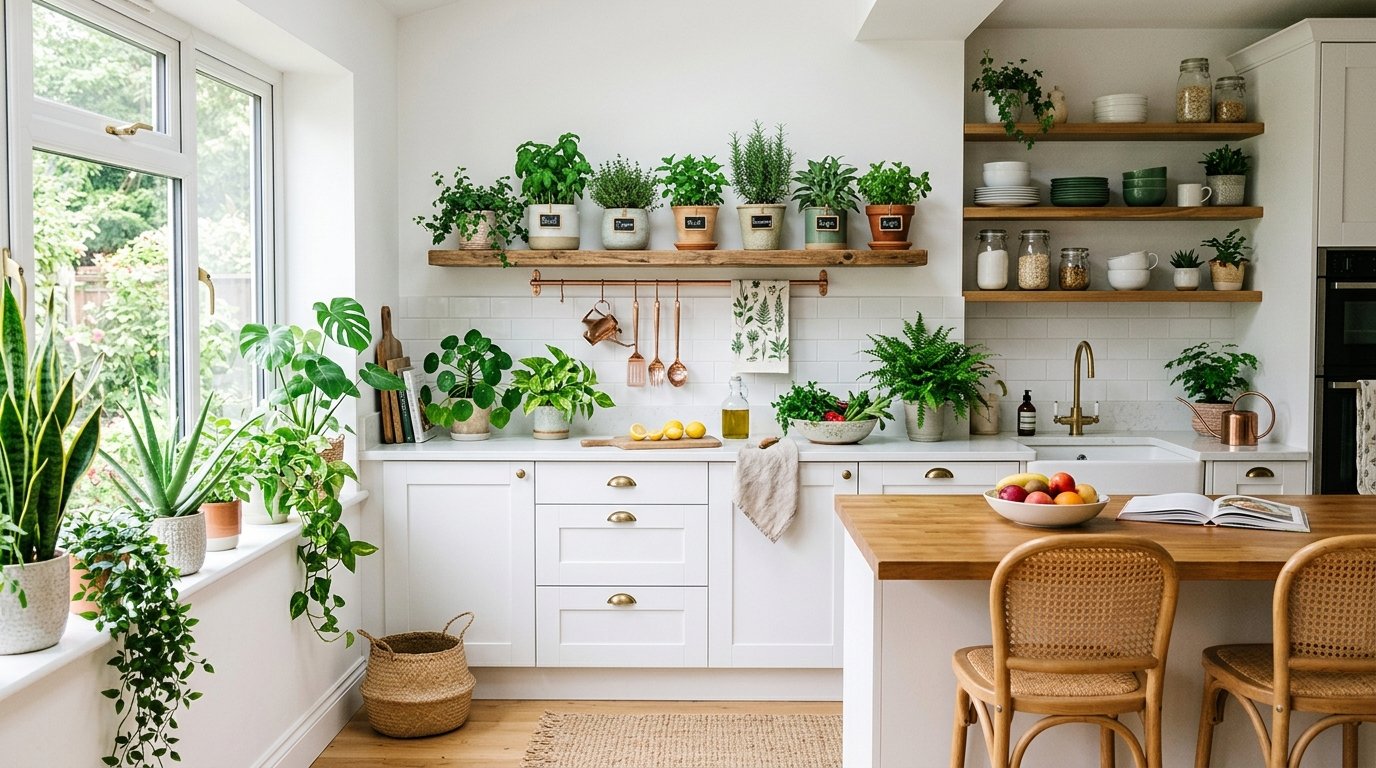
Display items used often: bowls, glasses, cookbooks, and a plant. Keep the arrangement light enough to clean and secure the shelf to the wall properly.
6. Create a coffee or tea station
Group the machine, mugs, grounds, and spoons on one tray or shelf. The station works when it reduces counter wandering rather than becoming another clutter zone.
7. Add a washable runner
A runner introduces color and comfort along a galley or sink wall. Choose a low-pile, non-slip option that will not interfere with cabinet doors.
8. Use a statement pendant
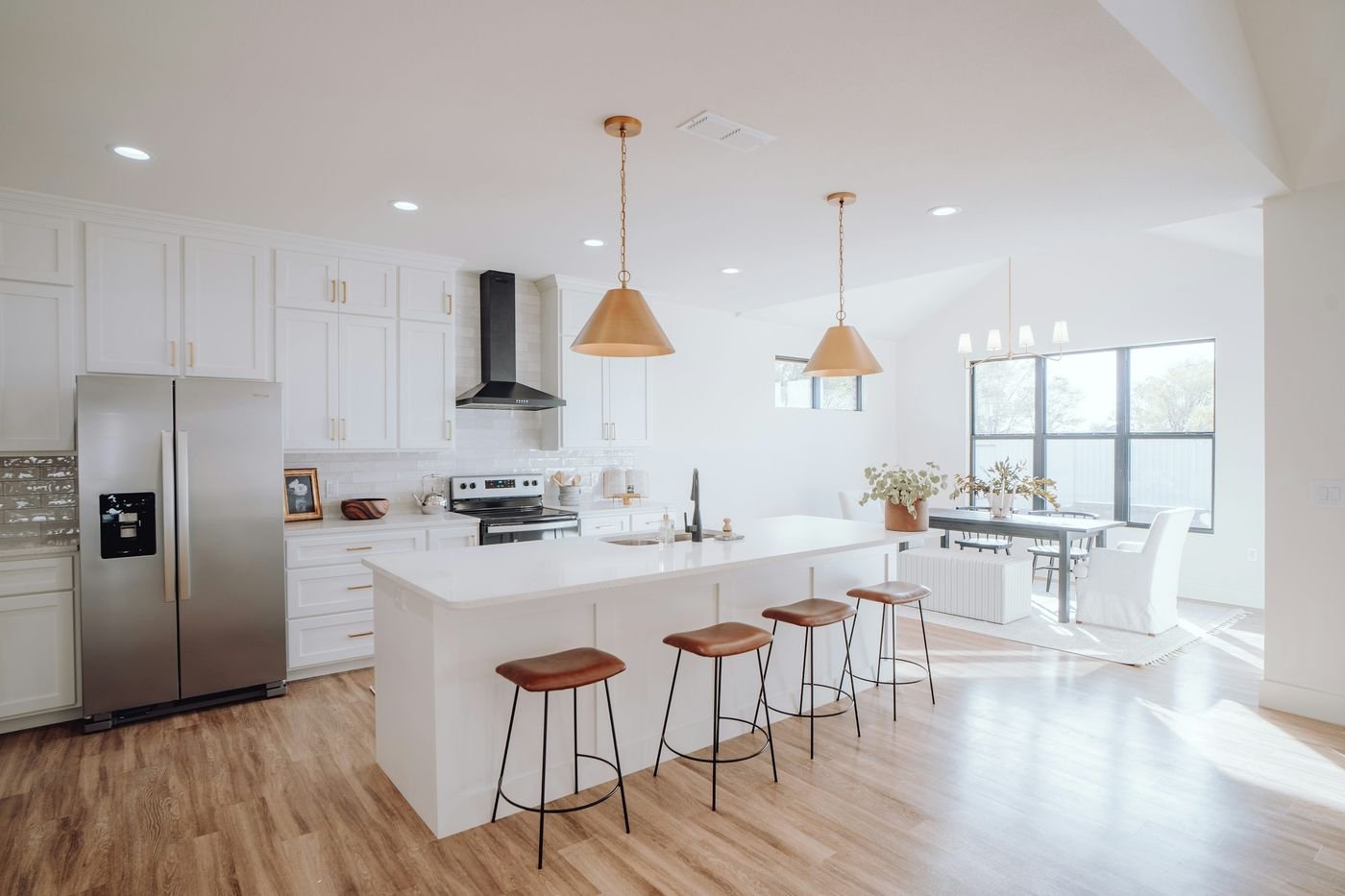
Hang a pendant over an island or table only after checking head clearance and the electrical location. Choose a shade that lights the work surface rather than casting glare.
9. Install a rail for everyday tools
A wall rail can hold utensils or towels, but keep it away from direct heat and avoid displaying every tool you own.
10. Bring in one natural material
Wood boards, rattan stools, stoneware, or a linen shade soften hard cabinetry and appliances. Repeat the material once or twice for cohesion.
11. Improve the sink area
A coordinated soap bottle, absorbent mat, and drying rack can make the busiest area look calmer. Select finishes that tolerate water and frequent cleaning.
12. Paint the island a contrasting color
A muted green, blue, charcoal, or wood finish can anchor an otherwise neutral kitchen. Test how the color works with flooring and countertops.
13. Add a framed print away from splashes
Use art on a protected wall or above a breakfast nook. Keep paper and fabric away from direct steam and cooking heat.
14. Use a narrow peninsula shelf
A slim shelf can hold cookbooks or baskets when a full island is impossible. Leave enough clearance for stools and circulation.
15. Make a practical message area
A small chalkboard, magnetic board, or framed weekly menu adds personality and supports household planning.
16. Upgrade the faucet only when it solves a problem
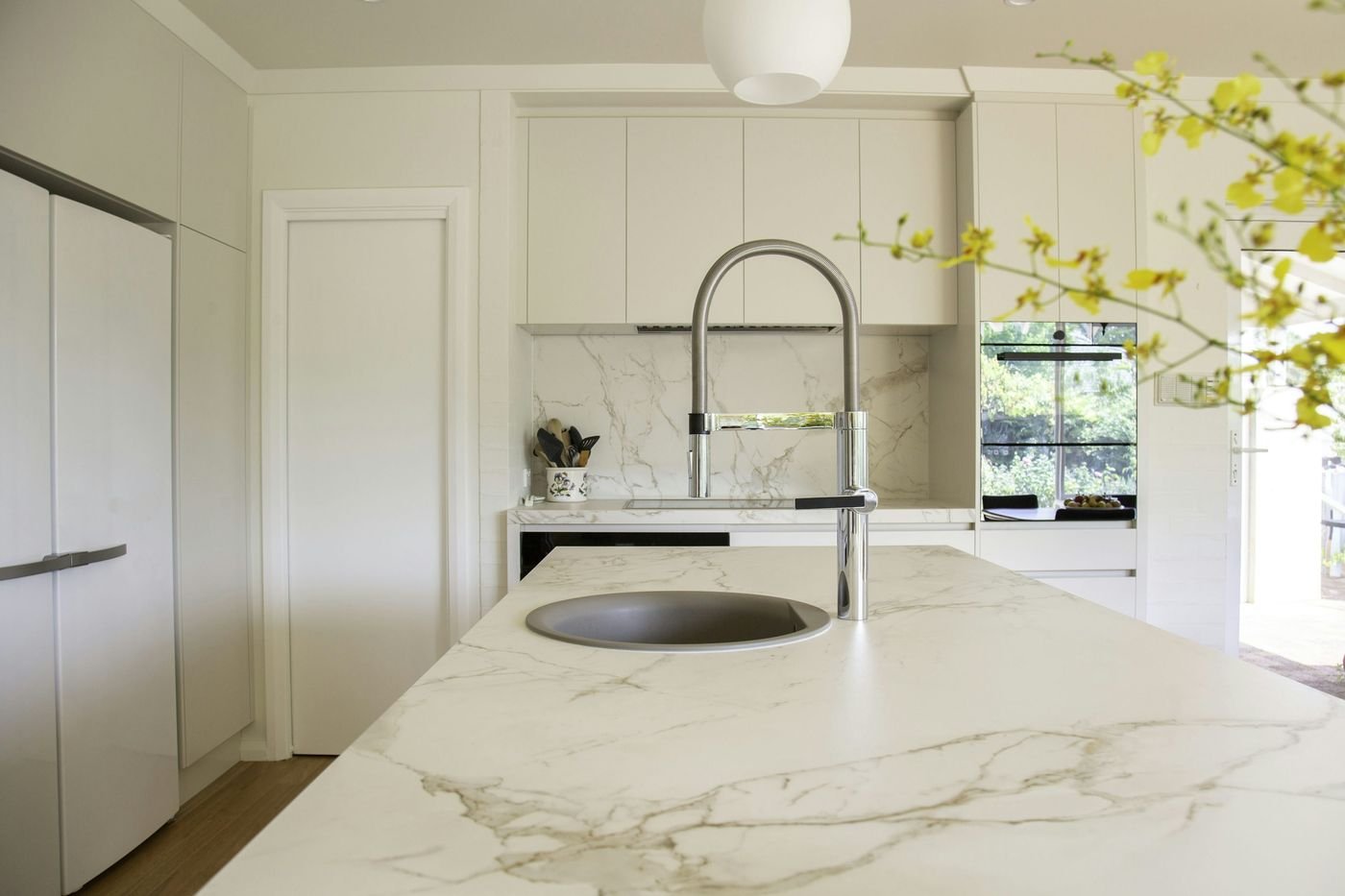
A pull-down sprayer or better reach may be worthwhile. Confirm compatibility with the sink and plumbing before purchasing.
17. Use glass-front storage selectively
One glass door can lighten a wall of cabinets, but it requires orderly contents. Use it for matching dishes or glassware rather than overflow storage.
18. Add plants with the right light
Choose herbs or houseplants that match the actual window conditions. Use saucers and keep leaves away from hot surfaces.
19. Frame the range hood
A simple hood surround can become an architectural focal point. Ventilation, clearance, and local code requirements come before appearance.
20. Use a tray to group counter items
A tray makes oil bottles, salt, or a kettle look intentional and simplifies cleaning around them.
21. Replace one tired stool
If the seating is visible from the living area, a comfortable wood or woven stool can add warmth without replacing the whole kitchen.
22. Add toe-kick or interior lighting
Low-level lighting adds evening atmosphere and can help with navigation. Use safe, properly installed products.
23. Create a small display ledge
A ledge can show art or seasonal pieces without the depth of a cabinet. Keep objects stable and away from heat.
24. Coordinate the metal finishes
It is fine to mix metals, but repeat each finish deliberately. Two related finishes usually feel more considered than five unrelated ones.
25. Edit the room seasonally
Rotate a runner, plant, art print, or textile rather than adding more permanent decor. Seasonal editing keeps the kitchen useful.
Choose upgrades by budget
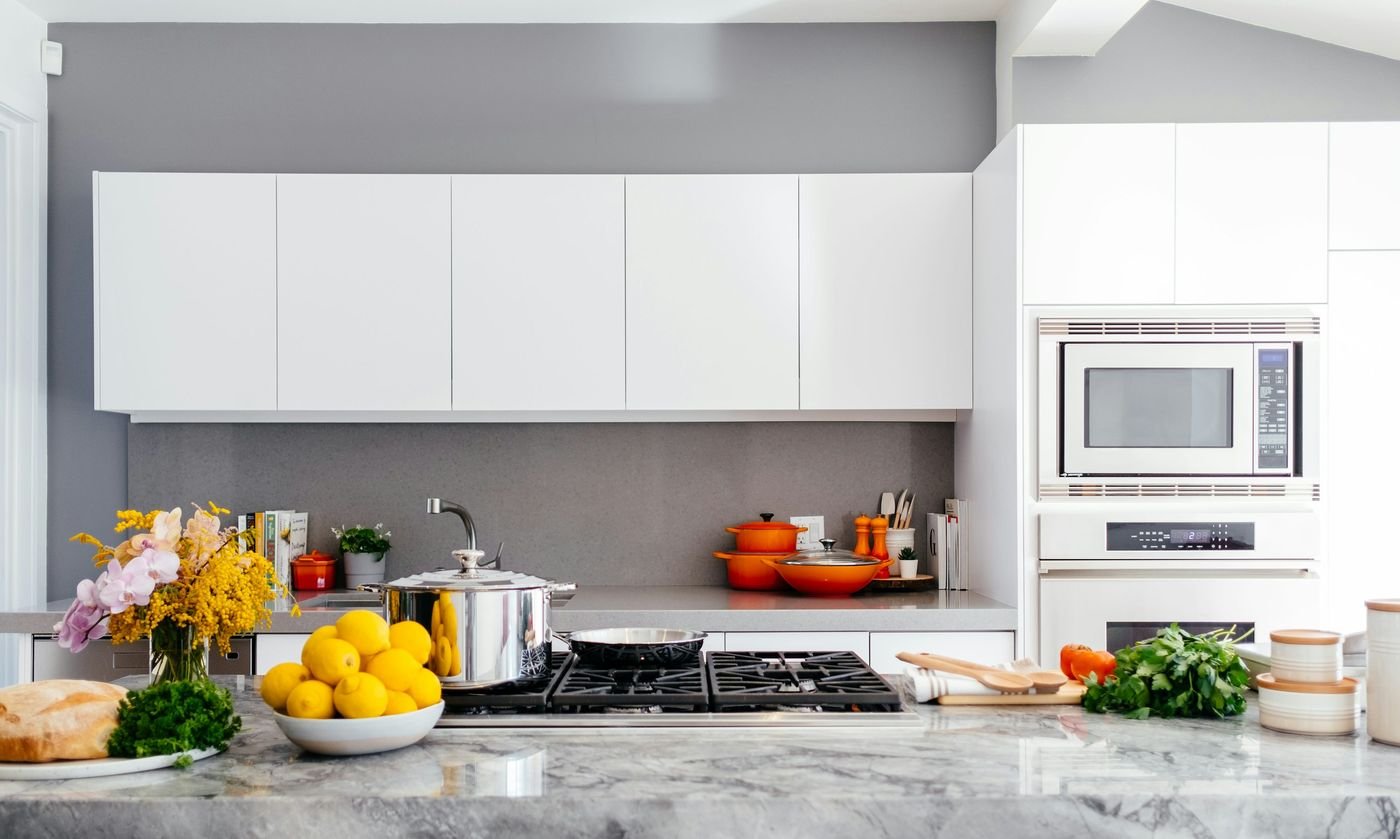
Under a small refresh budget, prioritize paint, hardware, lighting temperature, textiles, and organization. For a mid-range update, consider a backsplash, faucet, runner, or one strong light fixture. Save structural work—new counters, cabinetry, ventilation, or flooring—for a measured plan with installation costs and contingency money.
Safety and planning checklist
- Keep fabric, paper, and plants away from heat and open flames.
- Use anchors and hardware matched to the wall and load.
- Check moisture and cleaning requirements before choosing materials.
- Confirm electrical, plumbing, and ventilation work with a qualified professional.
- Order samples before committing to paint, tile, or metal finishes.
FAQ
What is the cheapest kitchen decorating upgrade?
Paint, cabinet hardware, a better light bulb or fixture, and organized countertop styling usually create visible change at relatively low cost.
How do I decorate a kitchen without making it cluttered?
Give each visible item a job, group small objects on trays, and leave useful counter space clear. Open shelves should hold fewer items than their full capacity.
What kitchen trends are easiest to live with?
Warm neutrals, natural textures, layered lighting, washable runners, and hardware that fits your existing cabinetry are easier to maintain than highly specific decorative themes.

Leave a Reply