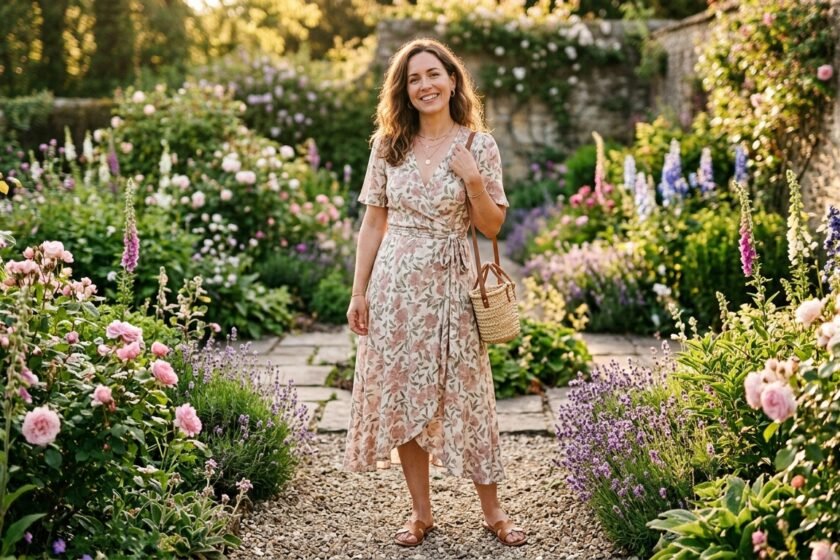
Casual spring dressing in your 30s is less about following every trend and more about building outfits that feel current, comfortable, and recognizably yours. The most useful looks can handle a coffee date, errands, travel, a casual work-from-home day, or a weekend lunch without requiring an hour of styling.
This guide uses practical outfit formulas rather than a gallery of disconnected ideas. Start with the occasion, choose one comfortable base, add structure or contrast, and finish with shoes and accessories that suit the amount of walking you will do.
What makes a casual spring outfit feel polished?
A relaxed outfit still benefits from one intentional element. That may be a crisp shirt, a clean shoe, a defined waist, a structured bag, a jacket with good shoulders, or a coordinated color palette. The rest of the look can remain easy.
Proportion matters more than a particular body type. If the top is loose, try a straighter or more defined bottom. If the trousers are wide, use a tucked, cropped, or fitted top. These are starting points, not rules: the right proportion is the one that lets you move comfortably and feel like yourself.
Choose a spring color palette
Begin with neutrals you already wear—denim, cream, black, navy, camel, gray, or olive—then add one seasonal shade. Sage, pale blue, butter yellow, coral, lavender, and soft terracotta can refresh familiar basics without making the wardrobe difficult to combine.
Repeating one accent in two small details, such as a bag and a shoe or a scarf and jewelry, makes a casual outfit feel connected. If the print is bold, keep the layers simple. If the silhouette is simple, let the color or texture carry the interest.
Reliable casual spring outfit formulas
Linen shirt with wide-leg jeans
A white, pale blue, or striped linen shirt with wide-leg jeans is a useful foundation for weekends and travel. Use a small front tuck or roll the sleeves once, then add loafers, clean sneakers, or flat sandals. A belt and small gold jewelry give the outfit definition without making it formal.
Midi dress with a denim jacket
A printed or solid midi dress becomes more casual with a denim jacket and walkable shoes. Choose a jacket length that works with the dress and test whether the combination feels bulky at the waist. Use a crossbody bag for errands or a smaller shoulder bag for lunch.
Trench coat with a tee and straight jeans
A trench does much of the styling work for you. Layer it over a simple tee and straight-leg jeans, then add loafers or minimal sneakers. Camel and stone are versatile, but navy, olive, and black can work just as well with your existing wardrobe.
Linen co-ordinated set
A matching linen or cotton-blend shirt-and-trouser set looks intentional while remaining comfortable. Wear it together with simple sandals, or separate the pieces with denim, a white tee, or a lightweight knit. Choose a color you will also wear as separates.
Striped top with tailored trousers
A Breton or narrow striped top with cream, taupe, or navy trousers balances casual ease with a clean silhouette. Tuck the top loosely, add a belt, and use a simple leather shoe. This formula is suitable for a museum visit, lunch, or a relaxed office day.
Oversized blazer with shorts or relaxed trousers
On warmer days, an oversized blazer can provide structure over tailored shorts, relaxed trousers, or a simple dress. Keep the underneath layer streamlined and check the jacket length while sitting. Low-profile sneakers or loafers ground the look.
Slip dress over a fitted tee
Layer a satin-look or lightweight slip dress over a fitted tee or long-sleeve top when the weather is changeable. Sneakers make it daytime-ready; ankle boots or a low mule give it a slightly dressier direction.
Relaxed linen trousers with a fitted knit
Wide or straight linen trousers work well with a fine knit tank, short-sleeve sweater, or close-fitting tee. Add a cropped jacket or a shirt worn open if you need another layer. This is a comfortable option for warm days when you still want a defined shape.
Utility jacket with a floral skirt
A utility, chore, or lightweight field jacket gives a floral or pleated skirt a more casual finish. Keep the top simple and choose a shoe that matches the length of the skirt. This is a useful way to wear a dressier item during the day.
White shirt with a column of denim
Pair a crisp white shirt with a denim skirt or jeans in a similar wash. Add a tan belt, woven bag, or colorful shoe to break up the column. The result is simple enough for errands but polished enough for a casual gathering.
Dress for the occasion
Brunch or lunch
Try a midi dress with a light jacket, tailored trousers with a silk-blend blouse, or jeans with a refined cardigan. Choose a bag that fits the items you actually need and shoes that work for walking between locations.
Errands and weekend days
Use jeans or relaxed trousers, a cotton shirt or fine knit, a light layer, and supportive sneakers. A structured crossbody and one small accessory keep the outfit practical without looking like loungewear.
Travel
Travel outfits need layers, stretch, and shoes that can handle long periods of walking. Try relaxed trousers, a fitted tee, a cardigan or blazer, a scarf, and clean sneakers. Choose fabrics that resist wrinkles and can be washed easily.
Casual date or evening
Use a slip dress, dark jeans with a satin blouse, or a coordinated set. Replace the everyday tote with a smaller bag and add one refined detail such as earrings, a low heel, or a lipstick color you enjoy.
Build a small spring capsule
- One lightweight trench, denim jacket, or utility layer.
- One relaxed blazer or structured cardigan.
- One pair of straight-leg jeans.
- One pair of wide-leg or relaxed trousers.
- One casual skirt or midi dress.
- Two cotton or linen shirts.
- Two fine knits or fitted tops.
- One coordinated set if it suits your lifestyle.
- Clean sneakers or supportive flats.
- Loafers, sandals, or a low evening shoe.
- One practical crossbody and one structured bag.
- A belt, scarf, and small jewelry set.
Keep pieces that combine with at least three other items. If something only works with one specific shoe or top, it may be less useful than a simpler piece that can support several outfits.
Fit and proportion checks
For loose tops
Balance an oversized shirt or jacket with a cleaner bottom, a front tuck, or a visible wrist and ankle. You do not need tight clothing; you need a point where the eye can read the shape.
For wide-leg trousers
Check the rise, waistband, and hem with the shoes you will wear. A cropped or tucked top can show the waist, while a longer open layer creates a vertical line.
For dresses and skirts
Walk, sit, and reach before deciding on a length. Check whether the jacket or cardigan ends at a flattering and comfortable point rather than cutting across the widest part of the body.
For jackets
Shoulder seams should sit comfortably and sleeves should allow movement. A jacket that is slightly relaxed can look modern, but it should not pull across the back when you carry a bag.
Spring fabrics and weather
Choose cotton poplin, linen blends, fine knits, lightweight denim, soft twill, and washable crepe. Layering is more useful than committing to one heavy piece because spring temperatures can change throughout the day.
If you dislike wrinkles, choose blended fabrics or reserve pure linen for shirts and relaxed layers. If rain is common where you live, a water-resistant trench or light shell can protect the outfit without adding winter weight.
Shoes and accessories
Clean sneakers, loafers, ballet flats, low sandals, and block-heel mules can all work. Match the shoe to your route and the amount of standing you expect. The best shoe is the one that lets you enjoy the day while still supporting the outfit’s proportions.
Accessories can make a familiar formula feel new. Add a woven bag, leather belt, scarf, simple watch, or small earrings. One or two intentional details are usually enough for casual dressing.
Common mistakes to avoid
- Combining oversized pieces on both the top and bottom without any point of structure.
- Buying a trend before checking whether it works with the rest of your wardrobe.
- Choosing shoes for appearance only and ignoring walking or weather.
- Using too many colors or prints in one relaxed outfit.
- Wearing delicate or high-maintenance fabrics for a day that requires movement.
- Keeping clothes that need constant adjusting or special underlayers.
- Treating “casual” as a reason to abandon fit, clean shoes, or a finished accessory.
Casual spring outfit FAQs
What should I wear for a casual spring day?
Start with jeans or relaxed trousers, a cotton or linen top, a removable layer, and shoes suited to your plans. Add one accessory that makes the outfit feel intentional.
How can I look stylish without looking overdressed?
Use one polished element—such as a blazer, refined shoe, structured bag, or coordinated color palette—and keep the rest comfortable and simple.
Are wide-leg jeans still practical?
Yes, when the rise, length, and shoes work together. Hem them for your everyday footwear and balance the volume with a tucked, cropped, or fitted top.
How do I make a casual outfit look more expensive?
Prioritize fit, clean shoes, cohesive colors, good fabric care, and one structured accessory. A simple outfit that is neat and well-proportioned usually looks more elevated than a busy outfit built from trends.
Final checklist
Choose the occasion, start with a comfortable base, add one structured or contrasting element, check the proportions, prepare for the weather, and finish with practical shoes. The goal is not to look as if you tried harder; it is to make your personal style easier to wear.

Leave a Reply