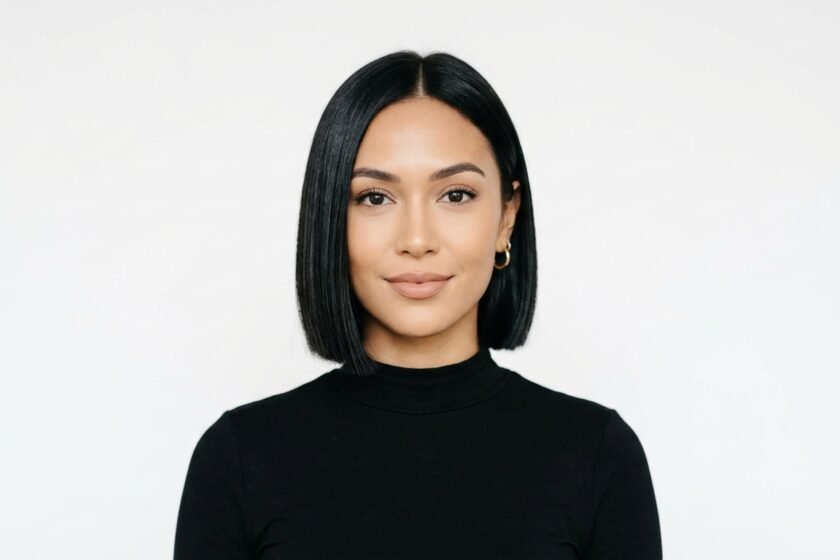
A bob haircut is defined by more than its trend name. The finished result depends on the length, perimeter, graduation, layers, fringe, hair texture, density, and the way you prefer to style it. A blunt chin bob and a layered shoulder-length bob may both be called bobs, but they behave very differently in everyday life.
This guide helps you choose a bob by shape, length, texture, styling effort, and maintenance. Bring the sections that match your priorities to a stylist, and use the consultation checklist before committing to a cut.
Quick bob selector
| Bob shape | Visual effect | Good starting point for | Discuss first |
|---|---|---|---|
| Micro bob | Short, graphic, statement-making | People who enjoy a visible outline | Neckline, ears, and grow-out |
| Chin or jaw bob | Clean and face-framing | Those wanting a classic short shape | Perimeter and density |
| French bob | Softly polished and compact | People who like a fringe or effortless finish | Natural texture and fringe routine |
| Graduated bob | Fuller at the back, angled toward the front | Those wanting structure and lift | Back shape and maintenance |
| Layered or shaggy bob | Movement and relaxed texture | Wavy, curly, or naturally full hair | Where the layers retain weight |
| Lob | Flexible, shoulder-skimming length | Anyone wanting more styling options | Shoulder contact and ends |
Bob lengths explained
Micro or ear-length bob
A micro bob sits high around the ears, cheekbones, or upper jaw depending on the design. It creates a strong silhouette and can feel light, but small changes in length are noticeable. Ask how the cut will sit behind the ears and whether the shortest point will need frequent reshaping.
Chin-length bob
A chin-length bob gives the face a clear frame and can be blunt, rounded, textured, or graduated. The perimeter is especially important: a crisp line can look graphic, while softened ends create more movement. Discuss whether you want the ends to sit at the chin, above it, or just below it.
Jaw-length bob
A jaw bob can feel slightly longer and more flexible than a chin bob while still looking distinctly short. It is useful when you want to tuck the hair behind the ears or create a little movement around the cheek and neck area.
Shoulder-skimming lob
A lob offers more styling options, including ponytails, half-up shapes, waves, and easier grow-out. Shoulder contact can create a bend or flip, so ask how the ends should be shaped if you want a smooth result. A lob can also be a practical transition from longer hair to a shorter bob.
Blunt, layered, graduated, and shaggy shapes
Blunt bob
A blunt bob has a strong perimeter and often creates the impression of density at the ends. It suits people who like a clean outline and are willing to maintain that shape. Fine hair may benefit from the visual weight, while very thick hair may need subtle internal work to prevent a bulky edge.
Layered bob
Layers create movement and can reduce a solid, heavy appearance. Their placement matters: layers near the crown create lift, while longer internal layers can preserve the outline. Ask how the cut will look when air-dried and whether the layers are intended to be visible or blended.
Graduated bob
A graduated bob is shorter at the back and becomes longer toward the front. It creates a structured profile and can add fullness at the crown or nape. Because the shape is precise, the back view and the grow-out plan deserve as much attention as the front.
Shaggy or textured bob
A shaggy bob uses texture and layers for a relaxed result. It can be a good fit for waves or natural movement, but it should be adapted to the hair’s density. Too much texturizing may make fine hair look less full, while thick hair may need carefully placed layers to prevent expansion.
Choose a bob by texture and density
Straight hair
Straight hair reveals the perimeter clearly, making blunt, graduated, and precise bobs especially graphic. If you want a low-effort result, ask whether the cut will remain balanced without daily smoothing. A strong line may require regular reshaping as the hair grows.
Wavy hair
Wavy hair can make a bob look soft and dimensional. Decide whether you want to encourage the wave or smooth it. A few well-placed layers may release movement, while a blunt outline can provide a stronger shape. Show your stylist how the hair looks on a normal air-dry day.
Curly hair
Curly bobs should be designed around the dry curl pattern, shrinkage, and moisture routine. A rounded shape can create a balanced silhouette, while a layered shape can release volume. Ask how much length will remain after the curls contract and whether the cut is intended for defined or brushed styling.
Fine hair
Fine hair often benefits from a clear perimeter and controlled layering. Excessive thinning can remove the density you want to preserve. A chin or jaw bob with a clean edge may look fuller than a heavily layered shape, but the best choice depends on the hair’s actual density and natural movement.
Thick hair
Thick hair may need internal weight management so the bob does not become triangular or overly wide. Ask where the bulk will be reduced and how the ends will be finished. Strategic shaping is usually more useful than indiscriminate thinning.
Fringe and face-framing options
A bob can change character dramatically with the front pieces. A blunt fringe creates a clear graphic line, a side fringe adds movement, and curtain-style framing can make a longer bob feel softer. Longer front pieces allow more versatility and can be tucked behind the ears or styled away from the face.
Rather than relying on fixed face-shape rules, explain what you want the framing to do. You may want to highlight the eyes, soften the jaw, keep the forehead open, or make the style easy to pin back. Bring references that show the fringe from several angles and discuss how quickly it grows out.
Style the same bob in different ways
Air-dried texture
Apply a product suited to your texture, arrange the part, and allow the shape to dry without repeatedly touching it. This works best when the cut already supports the natural pattern.
Smooth and polished
Use heat protection and direct the hair with a brush while drying. Keep the ends consistent and avoid overworking them. A small amount of finishing product can control flyaways without making the bob look coated.
Soft waves
Wave selected sections rather than every strand for a relaxed finish. Alternate direction, leave a little movement at the ends, and brush lightly after the hair cools.
Tucked behind the ears
A tuck can create a clean silhouette and reveal earrings or the neckline. If you want this option frequently, tell the stylist so the front length and side shape support it comfortably.
Half-up styling on a lob
A longer bob can be gathered into a small half-up twist or ponytail. Use a light elastic and leave the shape around the face intentional rather than pulling every strand tightly back.
Choose a bob for your routine
A wash-and-wear bob should follow your natural texture and not depend on a long blowout. A five-minute bob may need only a quick fringe refresh, a little root lift, or a few smoothed ends. A precision blunt or graduated bob can look exceptional but may require more frequent reshaping and styling.
Consider exercise, hats, glasses, humidity, work requirements, and whether you want a ponytail. A lob gives more flexibility, while a short bob makes a stronger statement but offers fewer tie-back options. The right choice is the one you can maintain without resenting the routine.
What to tell your stylist
Bring front, side, and back reference images, then identify the specific features you like. Say whether the priority is length, outline, volume, texture, fringe, or styling finish. Explain how long you are willing to style each day, whether you air-dry, and how often you can schedule appointments.
Useful questions include: Where will the shortest point sit? How will this look when dry? What happens at the shoulders? Will the layers preserve fullness? How will the shape grow out? Which products or tools are essential? These questions help translate an online trend into a cut that works for your hair.
Maintenance and grow-out
Blunt, graduated, and highly sculpted bobs show changes in balance as the hair grows. A softer lob or layered bob may provide a longer gap between reshaping appointments. Ask which area will lose the intended shape first and what interim adjustment would keep the cut looking deliberate.
To grow out a bob, decide whether you want to preserve the perimeter, add layers, or move gradually toward a longer shape. Small changes around the face can make the transition feel planned rather than accidental.
Common bob haircut mistakes
- Choosing a reference with different density, texture, or shrinkage.
- Only discussing the front and neglecting the back and profile.
- Requesting layers without explaining how much fullness should remain.
- Ignoring shoulder contact on a lob.
- Underestimating the maintenance required by a precise outline.
- Using heavy products that flatten fine hair or separate textured hair.
Bob haircut FAQs
What is the most versatile bob length?
A shoulder-skimming lob is often the most flexible because it can be worn down, waved, tucked, half-up, or tied back. A shorter bob may be more distinctive but offers fewer styling options.
What is the difference between a bob and a lob?
A bob generally sits around the chin, jaw, or neck, while a lob is a longer bob that usually reaches toward the shoulders. The exact boundary varies by haircut and wearer.
Can a bob make fine hair look fuller?
A strong perimeter can create the appearance of more density at the ends. The result depends on the hair’s actual density, the length chosen, and how much layering is introduced.
How often should a bob be reshaped?
The timing depends on the precision of the cut and the speed of growth. Close, blunt, or graduated shapes usually reveal changes sooner than soft, layered lobs.
Final consultation checklist
Choose the length, decide on the perimeter, select the amount of movement, consider fringe and face framing, explain your styling routine, confirm the back shape, and agree on the grow-out plan. A bob is most successful when the trend name becomes a practical shape tailored to your hair.



Leave a Reply