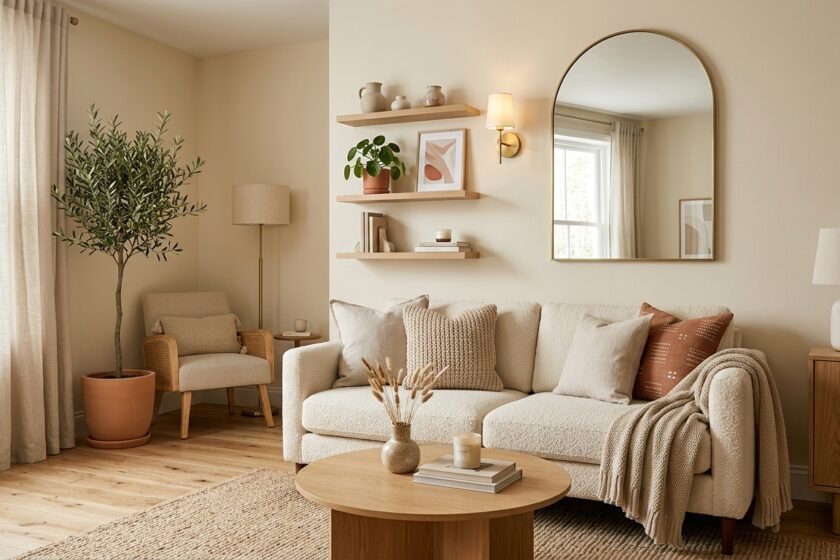
Small living room decor is easier to plan when you solve the layout first and decorate second. This page focuses on rooms that already have furniture or a fixed footprint and need a clear direction: cozy, modern, calm, or practical without feeling crowded.
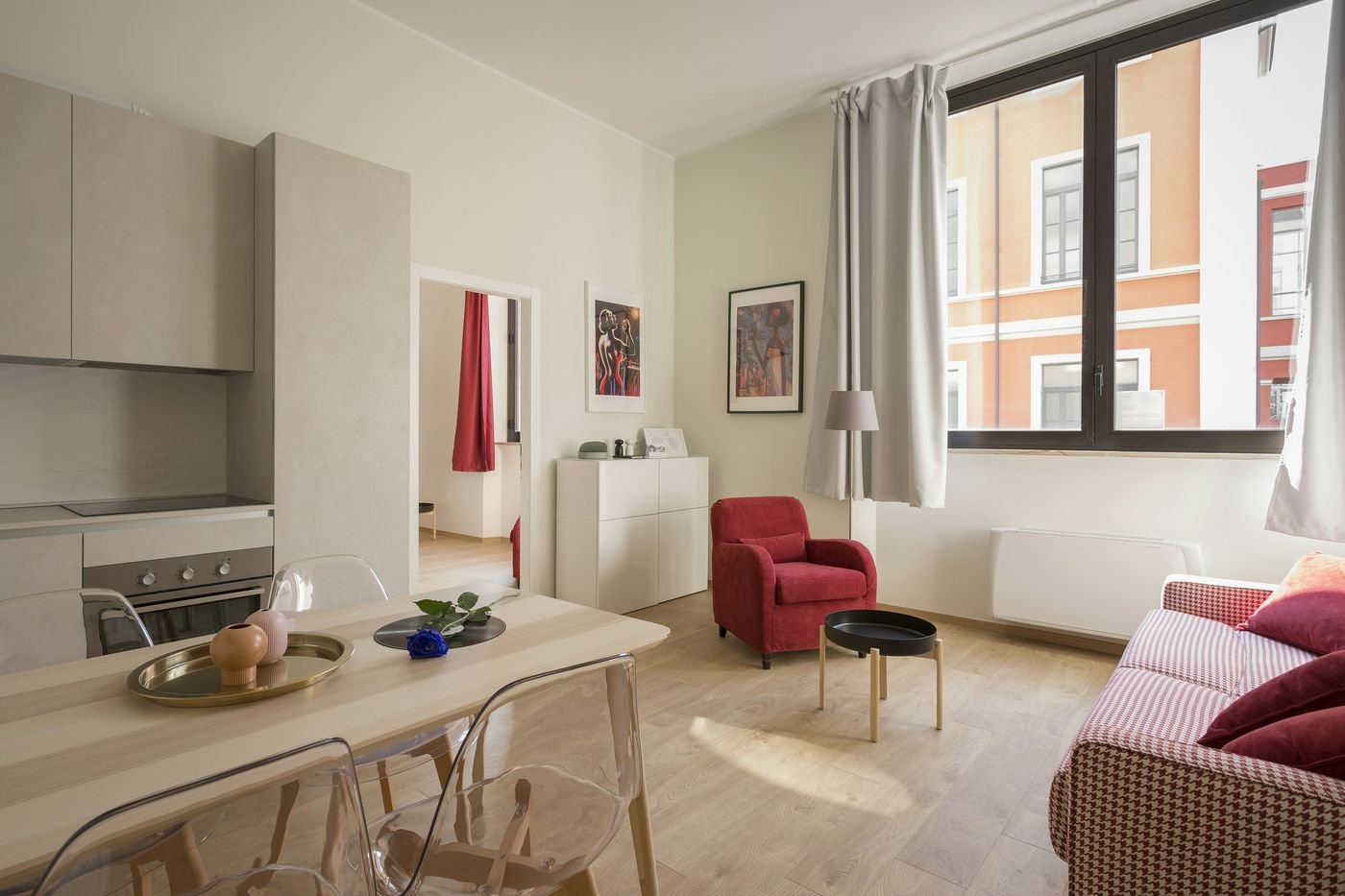
Use the style sections as a decision guide. Choose one base palette, one furniture priority, and one storage solution before adding accessories.
Define the room’s decorating brief
Write down the room’s primary use. Is it for watching television, hosting friends, reading, working, or a mixture? Then identify the piece that must remain. A beloved sofa, fireplace, view, or television position should shape the plan instead of being treated as an obstacle.
| Room priority | Decorating move | What to avoid |
|---|---|---|
| Cozy evenings | Layered lamps, textured throws, warm wood | One harsh overhead light |
| Modern simplicity | Low-profile pieces, quiet palette, clean storage | Too many small accessories |
| Hosting | Movable ottomans, flexible chairs, clear paths | Fixed furniture that blocks circulation |
| Work and living | Compact desk, task light, closed storage | Working at the sofa without support |
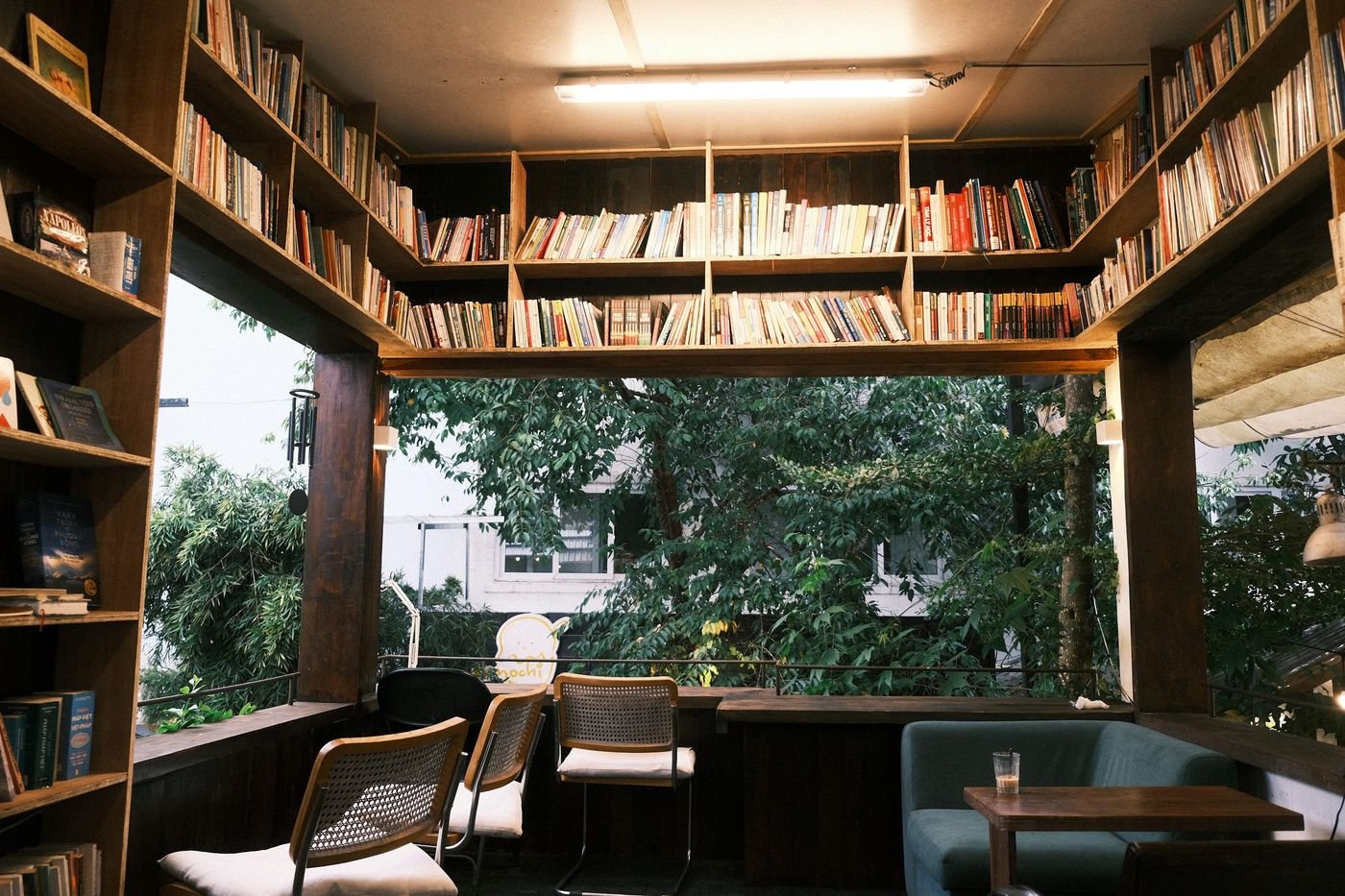
Choose a palette that can handle everyday life
Start with a neutral base such as warm white, sand, mushroom, soft gray, or muted olive. Add a darker anchor through the sofa, curtains, art, or a wood finish. One accent color repeated in two or three places is usually enough to make the room feel designed.
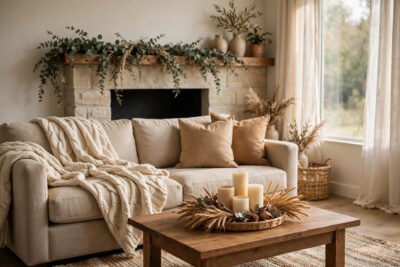
For a cozy modern look, combine three textures rather than three loud colors: linen, boucle, ribbed cotton, wood, stone, ceramic, or woven fiber. Texture adds depth while keeping the palette calm.
Small living room decor ideas by style
Warm modern
Pair a simple sofa with a rounded coffee table, a large neutral rug, and one sculptural lamp. Use black or aged-brass details sparingly. The room feels current because the shapes are clean, but it stays comfortable through fabric and wood.
Soft minimalist
Keep the furniture count low and select pieces with concealed storage. Use a tonal palette, one oversized artwork, and an open area of floor. Minimalism works when the room is edited—not when useful items are hidden without a plan.
Collected and cozy
Mix a vintage side table, a contemporary sofa, framed art, and books. Repeat one color across the objects so the room feels collected rather than random. Leave breathing room around each group.
Small farmhouse-inspired
Use warm white, natural wood, a washable slipcover, and restrained woven accents. Avoid turning every surface into rustic decor; one strong wood piece and practical baskets are enough.
Japandi-inspired
Choose low furniture, pale wood, simple ceramics, and a small number of organic shapes. Keep cables and visual clutter out of sight, but add a tactile rug or linen curtain so the room does not feel sterile.
Plan the furniture around the visual center
Pick one visual center: a window, fireplace, television wall, artwork, or statement lamp. Arrange the seating to acknowledge it, then protect the walking route. In a compact room, a large rug that catches the front legs of the seating often makes the arrangement feel more intentional than several small mats.
Use a round coffee table when corners interrupt the walkway. Choose nesting tables when surfaces are needed only occasionally. A storage ottoman is useful when the room doubles as a play area or guest space.
Decorate the walls without making them feel busy
One large artwork can create more calm than a collection of tiny frames. If you prefer a gallery wall, repeat a frame finish and leave consistent spacing. Floating shelves are useful for a few books and objects, but avoid filling them edge to edge.
Mirrors should reflect a window, lamp, or attractive view. A mirror facing a cluttered storage area simply doubles the visual noise.
Lighting that makes a small room feel finished
Use three layers when possible: general light for cleaning, task light for reading or work, and accent light for atmosphere. A floor lamp beside the sofa, a table lamp on a console, and a dimmable ceiling fixture can transform the room without changing the furniture.
Storage and styling rules
- Give everyday objects a named home: a basket, drawer, tray, or cabinet.
- Keep open storage for items worth seeing and closed storage for visual noise.
- Style in small groups with different heights and one repeated color.
- Leave some shelf space empty so the room can breathe.
- Secure tall furniture and heavy shelves to the wall where appropriate.
A weekend decorating plan
- Measure the room and photograph it from each corner.
- Remove items that do not serve the room’s primary use.
- Test the rug and furniture footprint with tape.
- Set the lighting positions before hanging art.
- Add the largest textile, then the main artwork, then only the accessories that support the palette.
FAQ
How do I make a small living room look modern?
Use fewer, better-proportioned pieces, a restrained palette, layered lighting, and closed storage. Modern does not require a cold white room.
What decor makes a small living room cozy?
Warm light, tactile textiles, natural wood, a comfortable rug, and a small number of personal objects create coziness without taking much space.
Should every wall be decorated?
No. Leaving one wall or section quiet gives the eye a resting place and makes the intentional focal point stronger.

Leave a Reply