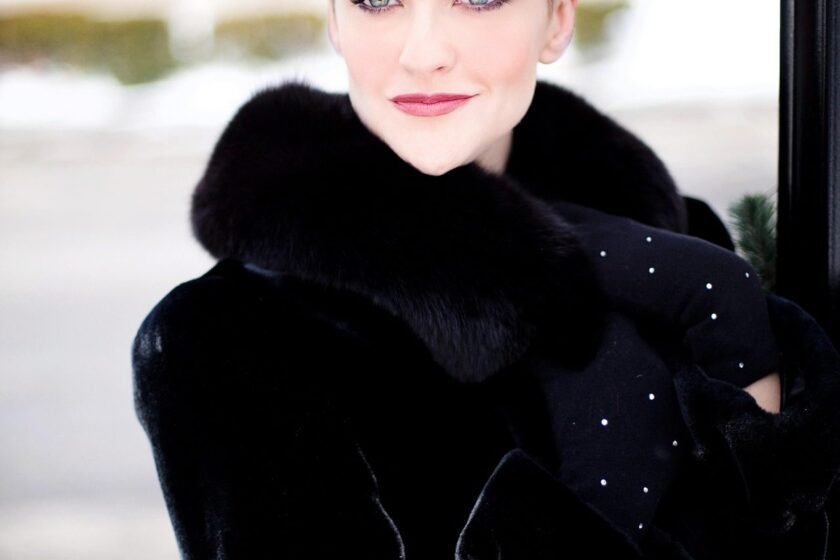
Why Women Over 50 Are Choosing the Pixie
The pixie cut has quietly become one of the most requested haircuts for women over 50, and for reasons that go far deeper than trend. After decades of caring for longer hair, many women in their fifties and sixties find that a well-cut pixie gives them back something unexpected: time in the morning, a fresher face, and a sense of confidence that shorter hair simply allows. Stylists across the industry report that clients over 50 are actively asking for shorter, sharper cuts, and the pixie family, from soft and feminine to bold and sculpted, offers more variety than most people realize.
But not every pixie suits every face, and a poor pixie is very hard to hide. This guide walks through every major pixie variation, how to match one to your face shape, hair texture, and lifestyle, whether glasses change the equation, what maintenance really involves, and exactly what to ask for at the salon.
New to short hair? Start with our complete guide to short hairstyles for women over 50.
The Six Pixie Variations Worth Knowing
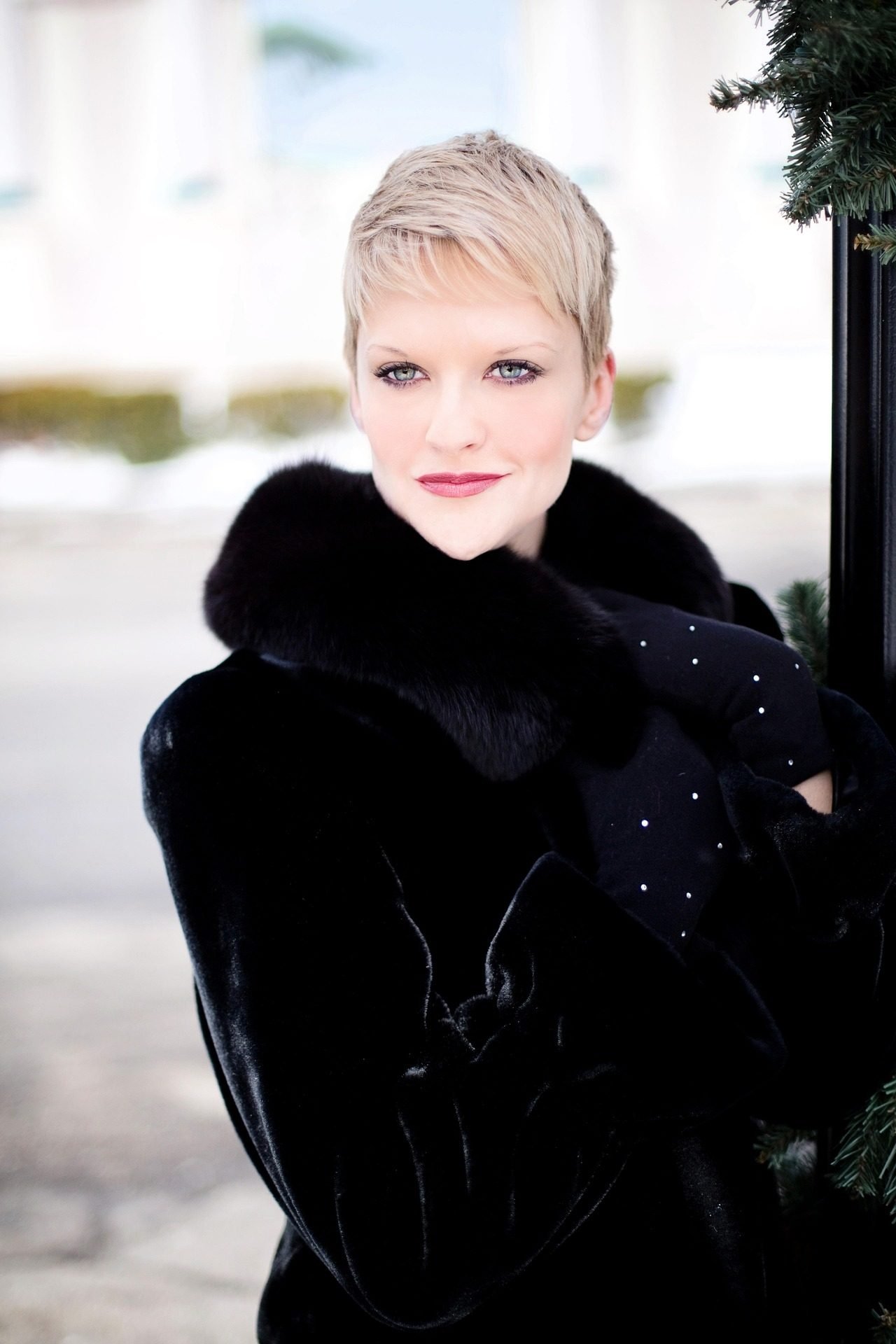
Before you sit in the chair, it helps to know that “pixie” is not a single cut. It is a family of short haircuts that share short back and sides with varying degrees of length and texture on top. Choosing the right member of that family matters more than almost anything else.
Classic Pixie
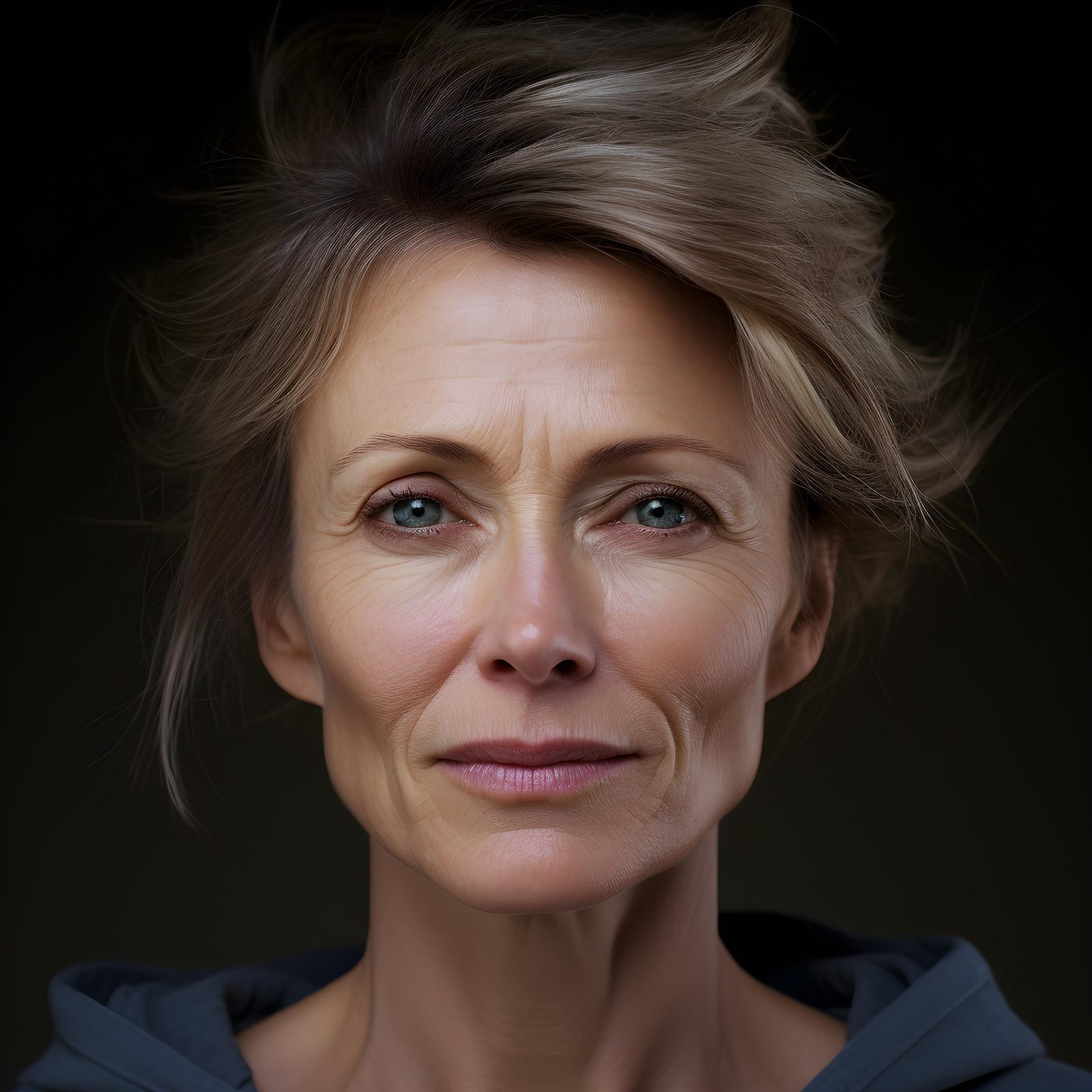
The classic pixie is short all over with slightly longer hair on top and around the ears. It is clean, tidy, and low drama, which makes it the safest entry point if you have never had short hair. It works well for women who want to look polished without feeling like they made a radical statement.
Textured Pixie
A textured pixie adds choppy layering on top that creates movement and volume. For women with fine or flat hair, this is often the single best option, because the layering gives hair a lift it otherwise lacks. It also grows out more gracefully than the classic version.
Side-Swept Pixie
With a longer fringe swept to one side, the side-swept pixie softens angular features and suits oval, heart, and diamond face shapes particularly well. It is also the most feminine of the family and an excellent transition cut for women nervous about going fully short.
Long Pixie (Pixie-Bob)
The long pixie keeps the sides short but lets the top and fringe fall to jaw or chin length. Functionally, it behaves almost like a bob while framing the face like a pixie. If you want to shorten your hair but are not ready to lose all your length, this is the compromise that almost never disappoints.
Edgy or Undercut Pixie
An undercut pixie shaves or very closely clips one or both sides while keeping textured length on top. It is a bold, modern look that tends to suit women with strong bone structure and confident personal style. The trade-off is a shorter trim cycle on the shaved sections.
Curly or Wavy Pixie
For women with natural curl or wave, the cut must be designed for dry, defined hair rather than cut wet and stretched. A curly pixie celebrates texture instead of fighting it, and it typically requires almost no daily styling, just the right leave-in product.

Matching a Pixie to Your Face Shape
Face shape is the strongest predictor of pixie success. The rule of thumb is to balance: add volume where your face is narrow and reduce bulk where it is wide.
| Face Shape | Best Pixie Variations | What to Avoid |
|---|---|---|
| Round | Textured pixie with height on top, side-swept fringe | Full round fringes that widen the face |
| Oval | Almost any variation; classic and edgy both work | Nothing specific; oval faces are versatile |
| Square | Side-swept or long pixie with soft, angled fringe | Blunt bangs that echo the jawline |
| Heart | Side-swept fringe, length around the ears | Excessive volume at the temples |
| Diamond | Long pixie or pixie-bob with cheekbone-skimming layers | Very short cropped styles with no fringe |
| Long or oblong | Classic pixie with full fringe, width at the sides | Tall volume on top with no fringe |
The Glasses Question
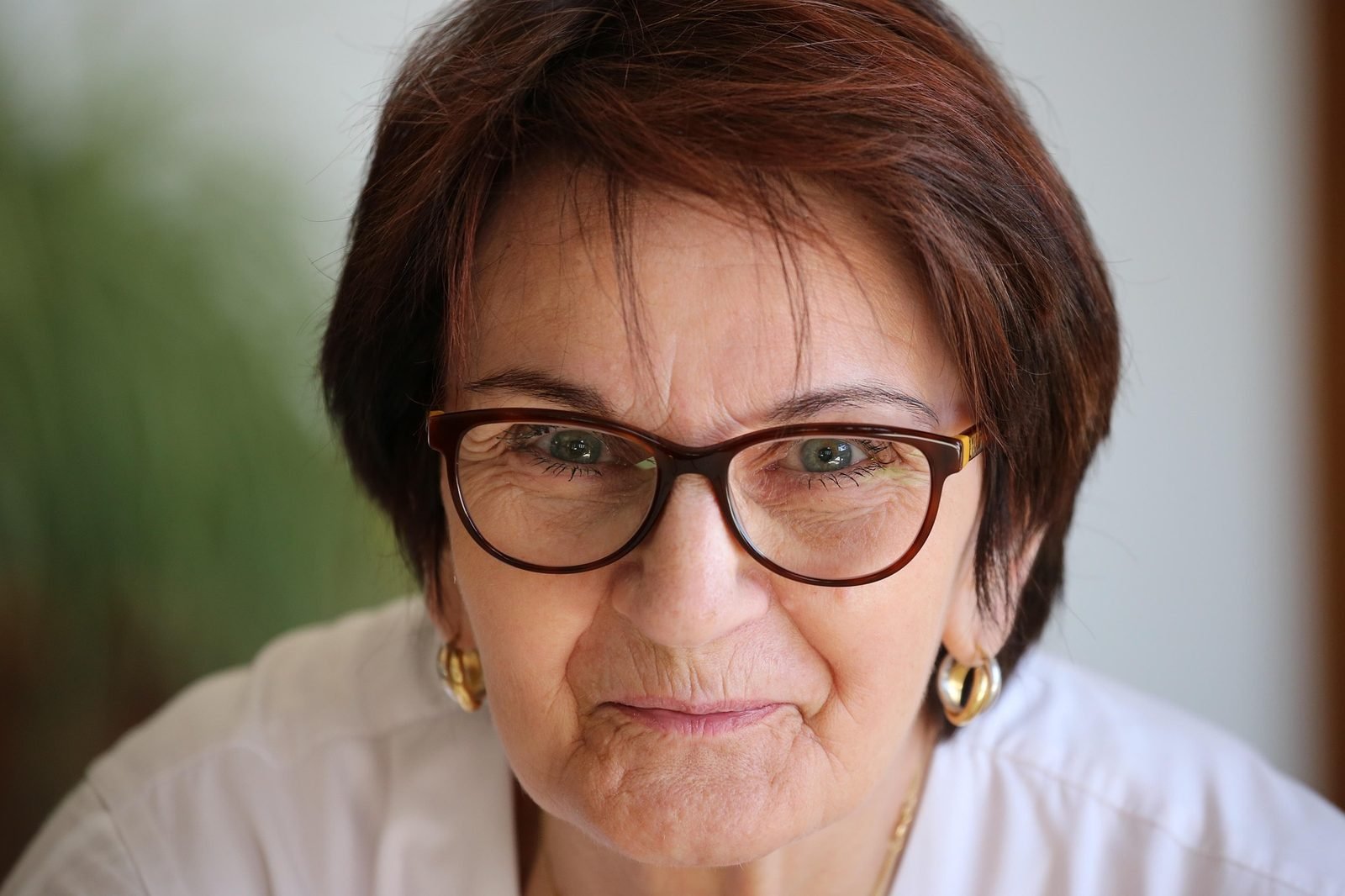
Women who wear glasses often worry that a pixie will look incomplete, but the opposite is usually true. Because a pixie exposes the full face, your frames become part of your look in the way they rarely are with long hair. Round frames pair beautifully with angular pixies, and rectangular frames soften nicely against a rounded pixie. Ask your stylist to cut around your glasses, specifically the sideburn and temple areas, so hair does not constantly push your frames out of place.
What Maintenance Really Involves
A pixie is low effort daily but higher maintenance at the salon. Expect a trim every three to four weeks to keep the shape, and budget accordingly. Styling time, however, drops to minutes: a textured pixie over 50 typically needs only a dab of paste or pomade rubbed between the palms and worked through dry hair. If your hair is fine, a light volumizing mousse on damp roots followed by rough drying with your fingers is enough.
The grow-out period is the part nobody warns you about. Plan for roughly four to six months before the cut begins to behave like a short bob. During that window, ask your stylist for “shape-up” trims that tidy the back and sides without sacrificing top length, and embrace a headband or clips as the sides pass through their awkward phase.
What to Say at the Salon
Bring reference photos, ideally three: the exact cut you want, a slightly shorter version, and a slightly longer version. Then be specific with language. Instead of “make it short,” say: “I want a textured pixie, longer on top with side-swept fringe, keeping some length around my ears, and cut dry where the texture matters.” Mention your morning routine honestly, because a stylist who knows you have five minutes will cut accordingly.
Common Mistakes After 50
Three mistakes show up again and again. First, going too short too fast: one dramatic cut is harder to live with than two progressive ones. Second, neglecting the neckline: a grown-out nape is what makes a pixie look messy within a week. Third, using heavy products on fine hair, which flattens the very volume the cut was designed to create. A light cream or paste is the safe choice for most hair types over 50.
Frequently Asked Questions
Will a pixie make me look older?
Not if it is cut with movement. Flat, helmet-like short hair ages a face, but a textured pixie with a soft fringe and visible dimension tends to have the opposite effect, especially when the length clears the eyebrows and frames the cheekbones.
Can I get a pixie if my hair is thinning?
Yes, and it is often the best solution. Shorter hair weighs less, so fine hair lifts more easily. A textured or layered pixie creates the illusion of fullness that longer, flatter styles cannot.
How often do I need to trim?
Every three to four weeks for the classic and edgy versions, and every four to six weeks for longer pixies. Skipping trims beyond six weeks usually means the shape is gone.
What if I hate it?
Short hair grows about half an inch per month, and the long pixie is your safety net. If you cut conservatively the first time, you are never more than a season away from a short bob.
The Bottom Line
For women over 50, the right pixie is less a haircut and more a small act of reclaiming time and confidence. Choose the variation that matches your face shape, be honest about your styling time, and grow into it in stages if you are unsure. The best pixie is the one you can actually live with on an ordinary Tuesday morning.



Leave a Reply