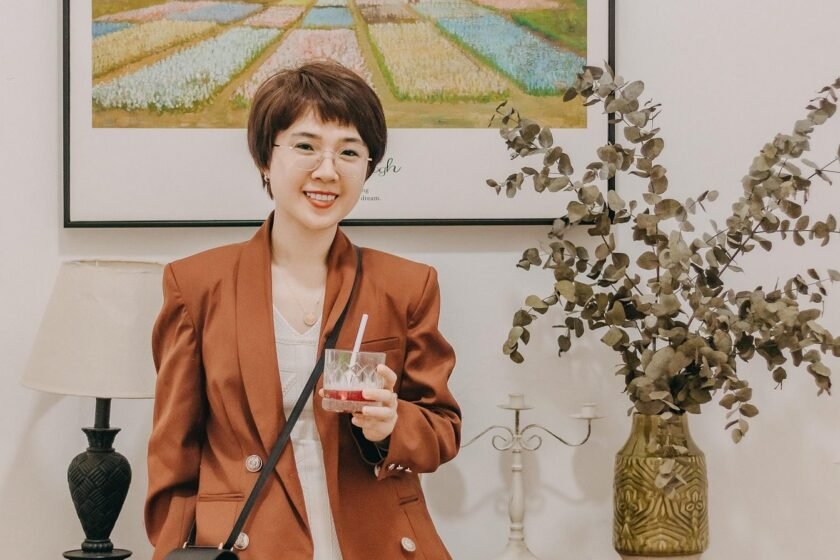
The Bob That Suits Life After 50
If there is one haircut that has survived every trend cycle for women over 50, it is the bob. The reason is simple: at chin to jaw length, a bob frames the face, hides what a woman may want to soften, and still leaves enough length to tie back in a pinch. Yet the bob is not a single style, it is a whole language of variations, and the difference between a bob that makes you look ten years fresher and one that falls flat usually comes down to picking the right variation for your hair density, face shape, and lifestyle.
This guide compares the bob variations that actually work after 50, explains which ones suit fine, thick, wavy, and gray hair, and gives you the exact language to use at the salon.
New to short hair? Start with our complete guide to short hairstyles for women over 50.
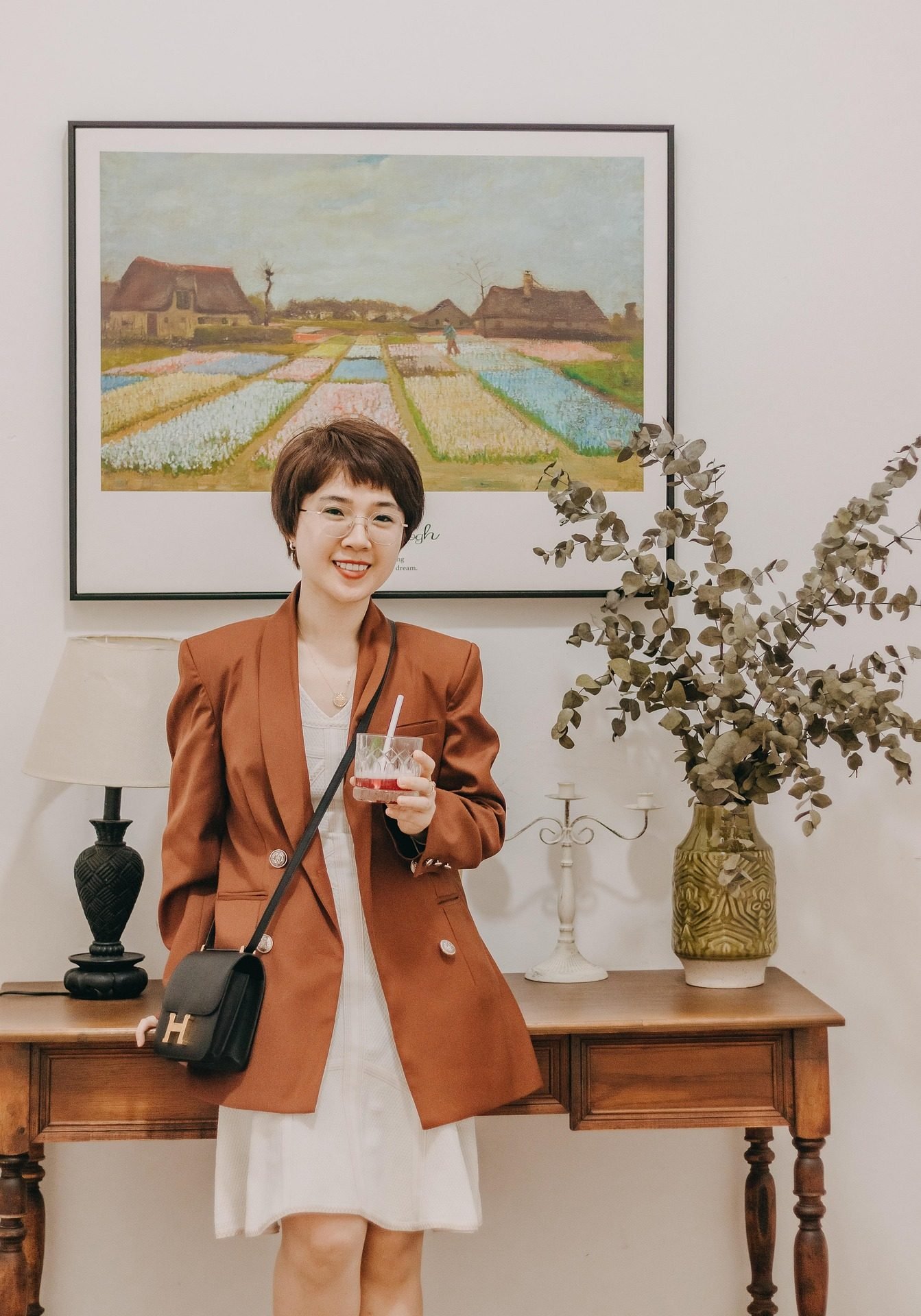
Comparing the Main Bob Variations
| Bob Type | Best For | Maintenance | Effect on the Face |
|---|---|---|---|
| One-length (blunt) | Thick, healthy hair that holds a line | Medium: grows out visibly | Strong, graphic frame; can widen round faces |
| Graduated (stacked) | Fine or flat hair needing built-in volume | High: needs trims every 4-5 weeks | Lifts the nape, elongates the neck |
| A-line / angled | Rounds and squares; jawline definition | Medium-high | Draws the eye down, slims the face |
| Rounded (classic) | Most face shapes; timeless looks | Medium | Softens strong features gently |
| Textured / piecey | Fine hair, low-styling mornings | Low: air-dries well | Modern, effortless, adds movement |
| French bob | Wavy or curly texture; confident style | Low-medium | Chic, cheekbone-skimming frame |
| Lob (long bob) | First-time bobbers; women who want a safety net | Low-medium | Elongates; less dramatic change |
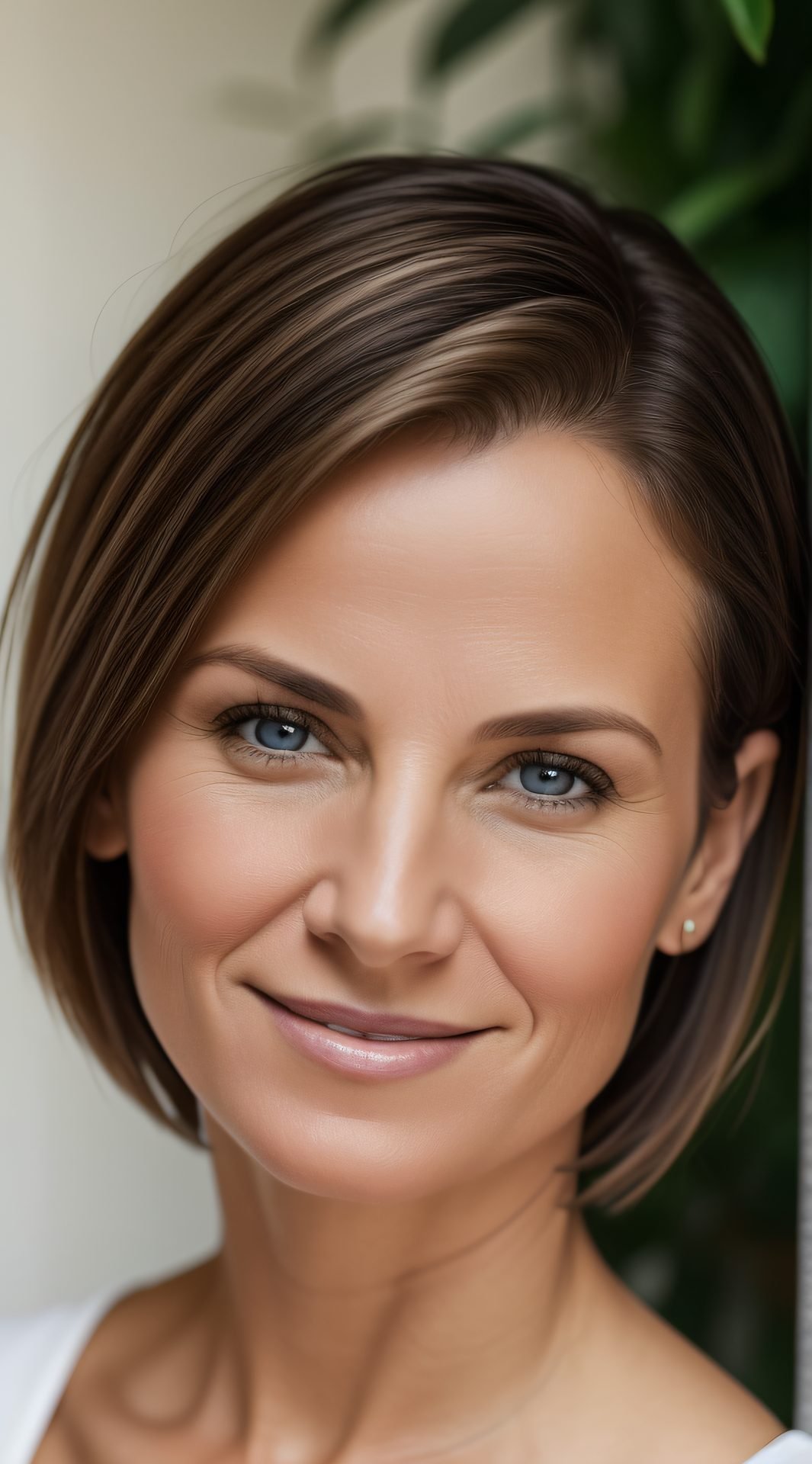
Fine or Thinning Hair: Choose Graduation or Texture
If your hair is fine or thinning, a blunt one-length bob is usually the wrong choice: it collapses under its own outline and shows every gap. Instead, ask for a graduated bob, where the back is cut shorter and stacked, giving the hair internal volume that holds its shape all day. A textured or piecey bob achieves a similar lift with a more modern, undone feel, and it has the bonus of air-drying beautifully, which matters when you want a genuinely low-maintenance cut.
Thick or Wavy Hair: Let Weight Work for You
Thick hair earns the blunt bob. A clean one-length line on dense hair looks polished, expensive, and healthy, and it needs surprisingly little styling beyond a smoothing cream. Wavy hair often does best with a French bob cut just below the cheekbones, because the wave sits naturally in the shape instead of being forced into it. If your waves are strong, ask for the cut to be done dry so the stylist can see where the hair actually falls.

Styling Habits That Decide Your Bob
Be honest with yourself about how you actually style hair, because the same bob looks entirely different air-dried versus blow-dried. If you reach for the flat iron daily, a blunt or graduated bob rewards that habit with a glossy, structured look. If your mornings run on five minutes, insist on a textured or piecey cut and accept that your bob will look softer and more undone. If you swim, work out, or live somewhere humid, ask the stylist to cut with your climate in mind: texture cuts absorb humidity gracefully, while sleek lines buckle under it. A bob designed for your real routine outperforms a prettier cut designed for someone else’s.
The Bangs Decision
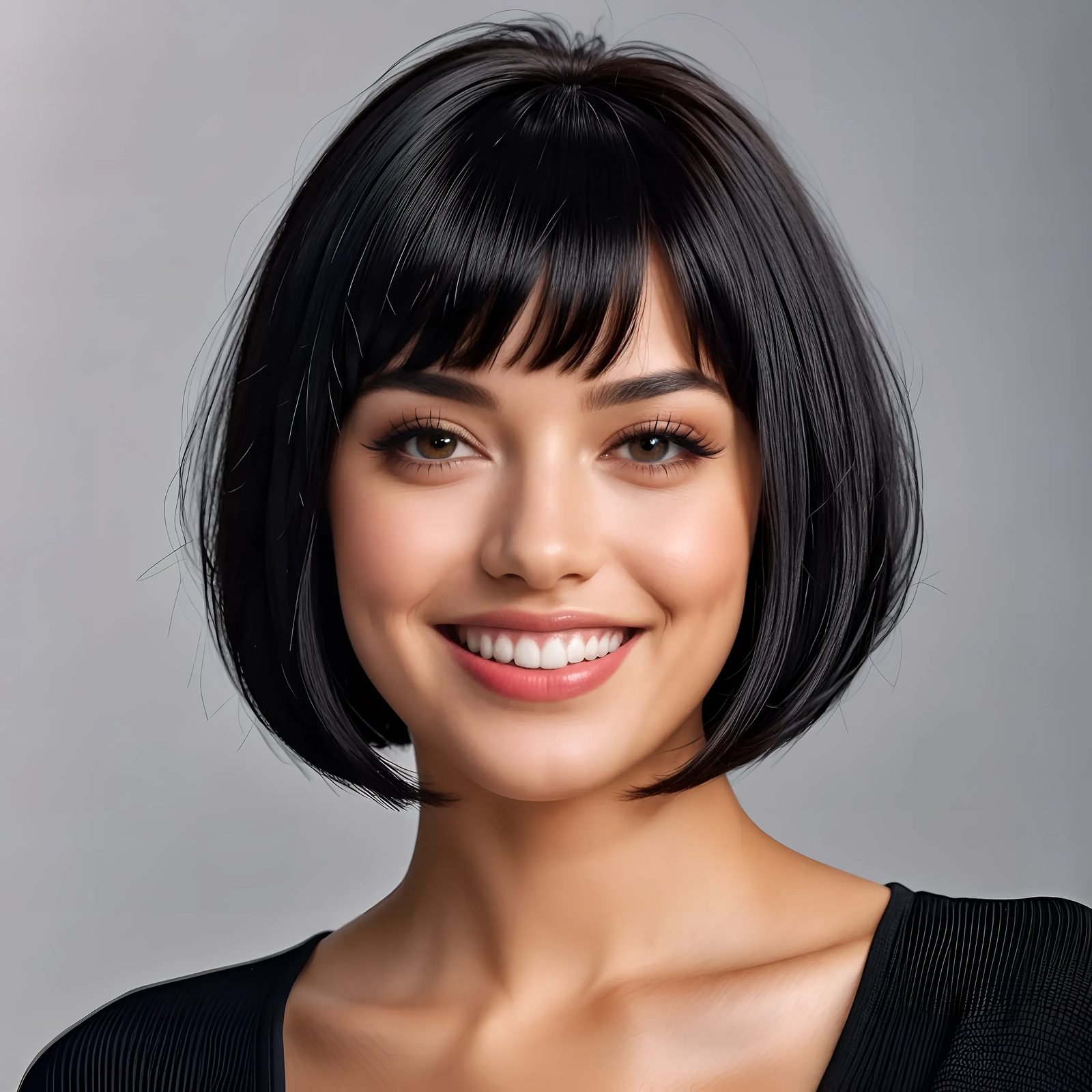
Because a bob shortens the face, bangs are almost always worth discussing. Side-swept fringe is the safest option for round and square faces. Curtain or wispy bangs flatter oval and heart shapes and blend seamlessly when you decide to grow them out. Full blunt bangs are striking but demand the most upkeep, both at the salon and in your morning routine, and they can shorten an already short face.
Matching the Bob to Your Face Shape
Length and angle are the two levers a bob uses to shape a face, and getting them right is what separates a flattering bob from one that works against you. For round faces, choose length at or just below the chin with an angled or A-line cut and avoid anything that stops at the widest part of the cheek. Square faces benefit from soft, rounded ends and a side-swept fringe that breaks up the jawline, while heart-shaped faces look best with chin-length bobs that carry some width at the jaw to balance a narrower chin. Long faces should avoid excessive length and instead choose a bob with fullness at the sides plus a fringe, which shortens the face visually. Oval faces can carry nearly any variation, which leaves the decision to hair texture and lifestyle instead.
Gray Hair and the Bob
Gray hair tends to be coarser and drier, which actually suits the bob well: the added texture reads as deliberate style rather than unruliness. A stacked or textured bob in silver gives a crisp, intentional look that many women find more flattering than long gray hair. If you are mid-transition with salt-and-pepper strands, choose a variation with movement, because solid blunt lines highlight the contrast between pigmented and white hair more sharply.
Salon Instructions That Get Results
Bring two or three photos of women with a similar hair texture to yours, ideally in the 50 to 65 age range. Then be precise: “I want a graduated bob, chin length at the front, stacked at the nape, with a soft side-swept fringe, and please leave the ends textured rather than blunt.” Mention your heat habits too, because a cut designed for daily blow-drying behaves differently on air-dried hair.
Growing a Bob Out
If you decide the bob is not for you, grow it deliberately. Ask for micro-trims that remove only the damaged ends every eight weeks, use a leave-in conditioner to keep the length healthy, and let a stylist reshape the sides every few months so the cut passes through its awkward lob stage looking intentional rather than forgotten.
Frequently Asked Questions
Which bob length is most flattering after 50?
For most women, somewhere between the chin and the jawline. This length lifts the face without exposing the neck in an unflattering way, and it keeps hair from dragging facial features downward.
Do bobs require daily styling?
Not the textured or piecey versions, which air-dry cleanly. Blunt and graduated cuts look best with a quick blow-dry or flat-iron session two or three times a week.
How often should I trim?
Every four to six weeks for stacked bobs, six to eight weeks for graduated and rounded versions, and eight to ten weeks for lobs.
Will a bob suit my round face?
Yes, provided the length sits at or just below the chin and the cut carries angle, such as an A-line or side-swept fringe, both of which create a lengthening line.
The Bottom Line
The right bob after 50 is the one engineered for your actual hair, not the photo on the wall. Fine hair asks for graduation and texture, thick hair earns a clean blunt line, wavy hair wants a French bob, and gray hair thrives on shape. Get the variation right, and the bob becomes the most reliable haircut you will ever own.



Leave a Reply